How to Make Money as a Delivery Driver

There are plenty of ways to make money as a delivery driver in the UK, but not all delivery work is equal. Some options are good for a side hustle, while others can become a proper business if you treat them seriously.
This guide looks at the main routes into delivery work, from Amazon Flex and courier platforms to specialist transport, marketplace collections, same-day work, and building your own customer base.
If you’ve got a car or van, delivery work can be a flexible way to earn money. But the trick is understanding the difference between low-margin app work and building something that can actually grow.
Start with the simple side hustles
For many people, the easiest way in is through delivery apps and courier platforms. These can be useful if you want to earn extra money around another job, test the industry, or build confidence before going fully self-employed.
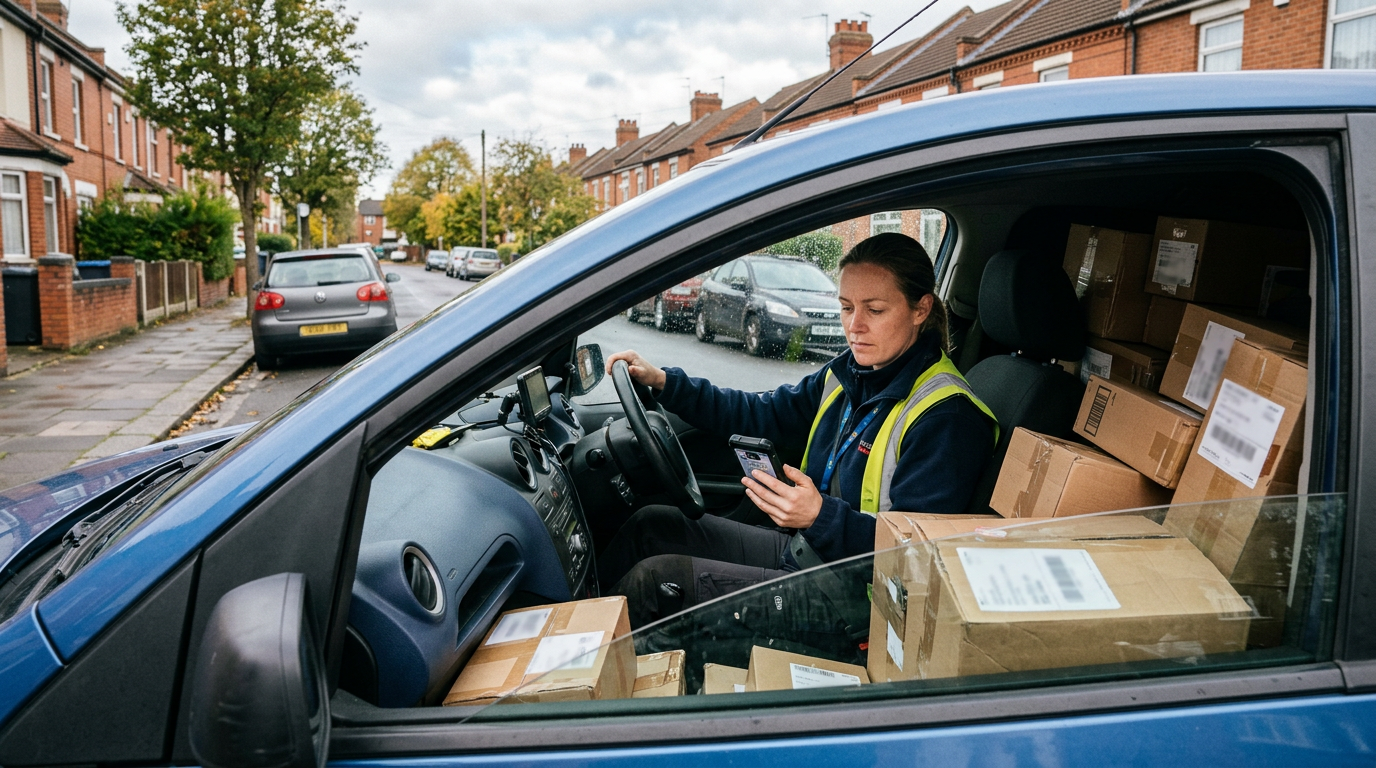
Amazon Flex is one of the best-known options. You use your own car or van, collect parcels from a depot, and deliver them within a set block of time. It can be a decent side hustle, but fuel, insurance, parking, and wear on your vehicle all need factoring in.
There are also courier-style platforms like Gophr, where jobs can vary from small city deliveries to larger courier work. If you’re comparing options, our guide to the best delivery side hustles in the UK is a good place to start.
Use the right insurance from day one
This is where new drivers can get caught out. A normal family car or van can be used for some delivery work, but only if you have the correct insurance in place.
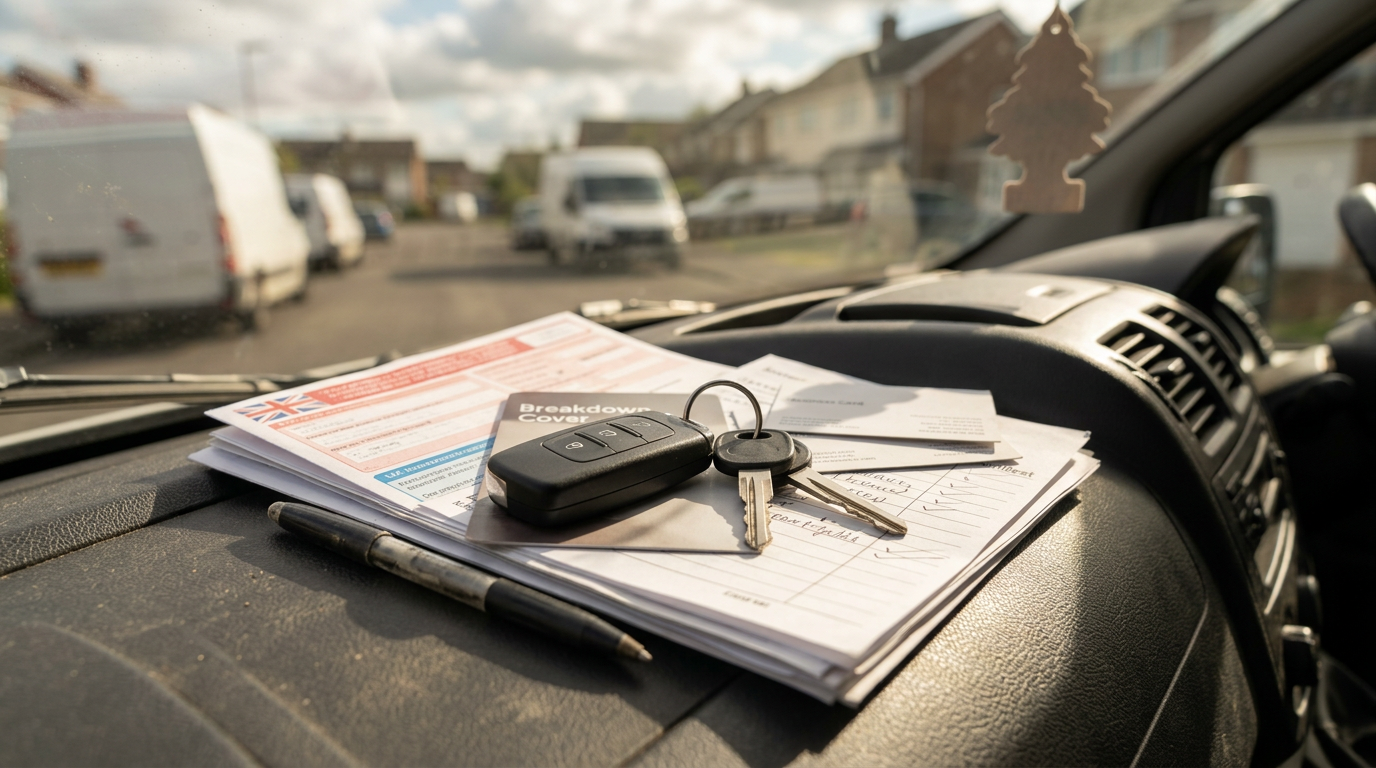
Standard social, domestic and commuting cover is not enough for paid delivery work. Depending on the type of work you do, you may need hire and reward insurance, courier insurance, or goods in transit cover. A comparison site like GoCompare’s delivery insurance guide is a useful starting point, but always check the policy wording properly.
If you are carrying customer goods, especially higher-value items, you should also look at goods in transit insurance. Public liability cover is worth considering too, especially if you’re entering homes, handling furniture, or working around customers’ property.
Move beyond basic parcel work
Parcel delivery work can provide a regular income, but the margins are often tight. If you want to earn more, you need to move into better-paid delivery niches.
That could include same-day courier work, large item delivery, furniture transport, eBay and Facebook Marketplace collections, motorcycle transport, or specialist fragile-item work.
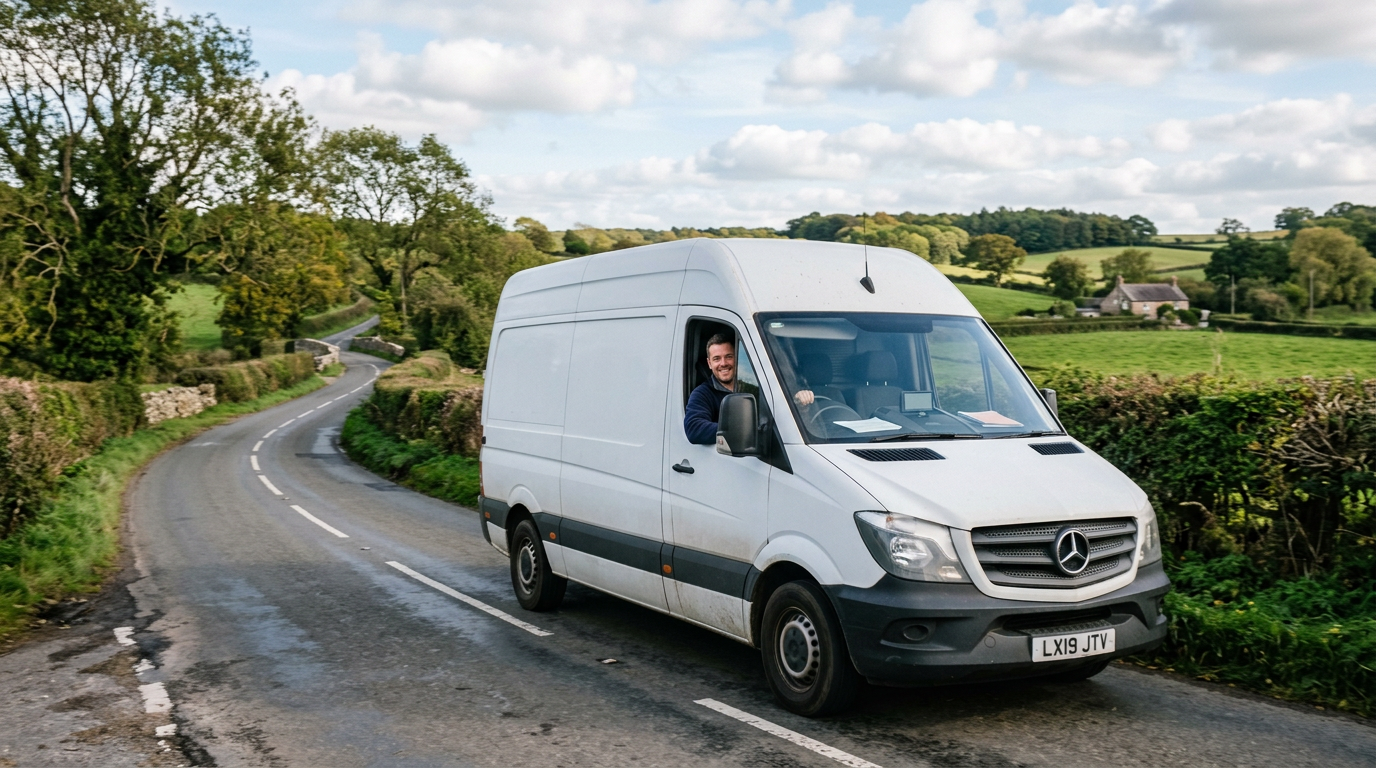
This is where having a van starts to open doors. A small car might work for parcels, but a van lets you take on jobs that many casual drivers cannot handle.
What can you actually earn as a delivery driver?
This is the bit most people want to know, and also the bit that varies the most depending on how you work.
When I was doing a mix of Amazon Flex, Gophr, and Stuart, I was regularly hitting around £600 per week before fuel and tax.
This was all local work. A mix of 4-hour Amazon Flex blocks, shorter Amazon Fresh deliveries from Morrisons, ad-hoc Gophr jobs, and Tesco Whoosh runs through Stuart. The pace was generally relaxed, I worked when I wanted, and there were no massive mileage costs because everything was close to home.
I was using an old Peugeot Expert van that cost me £750, and it never missed a beat. If I’d pushed it and worked every day, I could probably have pushed that closer to £800 per week, but at the time, I had other commitments and wasn’t trying to maximise it.
Typical gig-work earnings:
- £500–£800 per week (before fuel and tax)
- Lower mileage and fairly local work
- Flexible hours but limited scalability
By mid-2025, I realised this type of work wasn’t scalable. You’re effectively trading time for money, and once you stop driving, the income stops as well.
That’s when I started building my own work. I created a couple of websites, one focused on e-bike and bicycle transport, and another for auction delivery jobs like eBay and auction house deliveries, along with motorcycle transport, something I already had experience in.
It took a couple of months to get going. I used platforms like Shiply to fill the gaps and generate extra work while the sites started picking up traffic.
By September, I’d been noticed by one of the largest independent bike logistics companies in the UK, who needed a courier connection in the South West. That was the turning point, and also when I needed a bigger van.
I didn’t have the money or credit to do it easily, so I had to get help from family to step up. I bought a five-year-old LWB Citroën Relay, and from that point on, things changed quickly.
My best week so far has been around £2200 gross, with roughly £350 in fuel costs. Other weeks can be quieter, sometimes £500–£600, but then the following week I might do a long-distance run and bring in an extra £800–£1000 over a day or so.
Higher-level courier earnings (real-world):
- £500–£2200+ per week gross
- Fuel, wear and tear, and time need to be factored in
- Income becomes less predictable but far more scalable
On top of that, I now generate additional income by passing work on. I send around 80 leads per month to a courier company in Scotland. Not all these leads convert into paying customers, but the ones that do earn me roughly 25% commission each. A lot of these enquiries come through my e-bike delivery website, particularly for Scotland and Northern Ireland.
That’s income that doesn’t require me to drive, just organising and placing the work with the right people.
The work can still be tough. Long days, nights away from home, and plenty of time behind the wheel. But it’s also where the real money starts to appear once you move beyond basic app-based work.
If I can do it, so can you. There’s nothing special about my background. I’ve got a big family, plenty of overheads, and didn’t exactly shine at school. The difference is just sticking with it, learning how the work actually operates, and gradually moving into better-paying jobs.
Large item and marketplace delivery
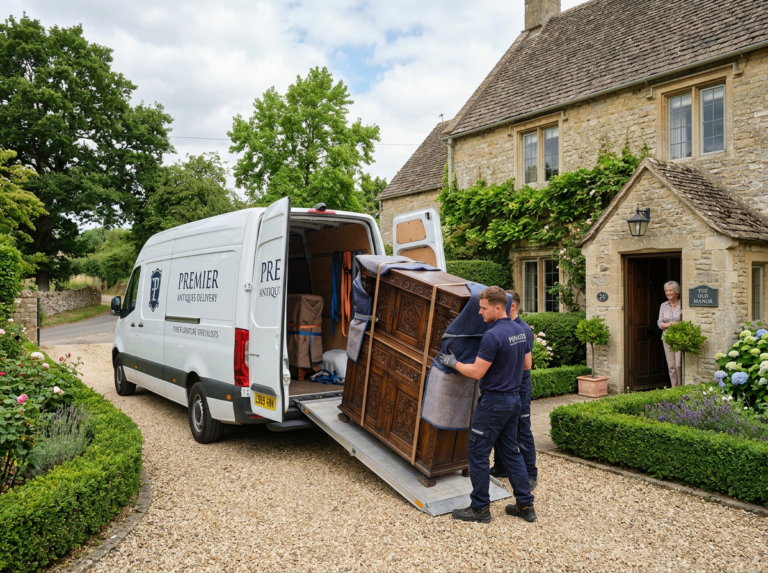
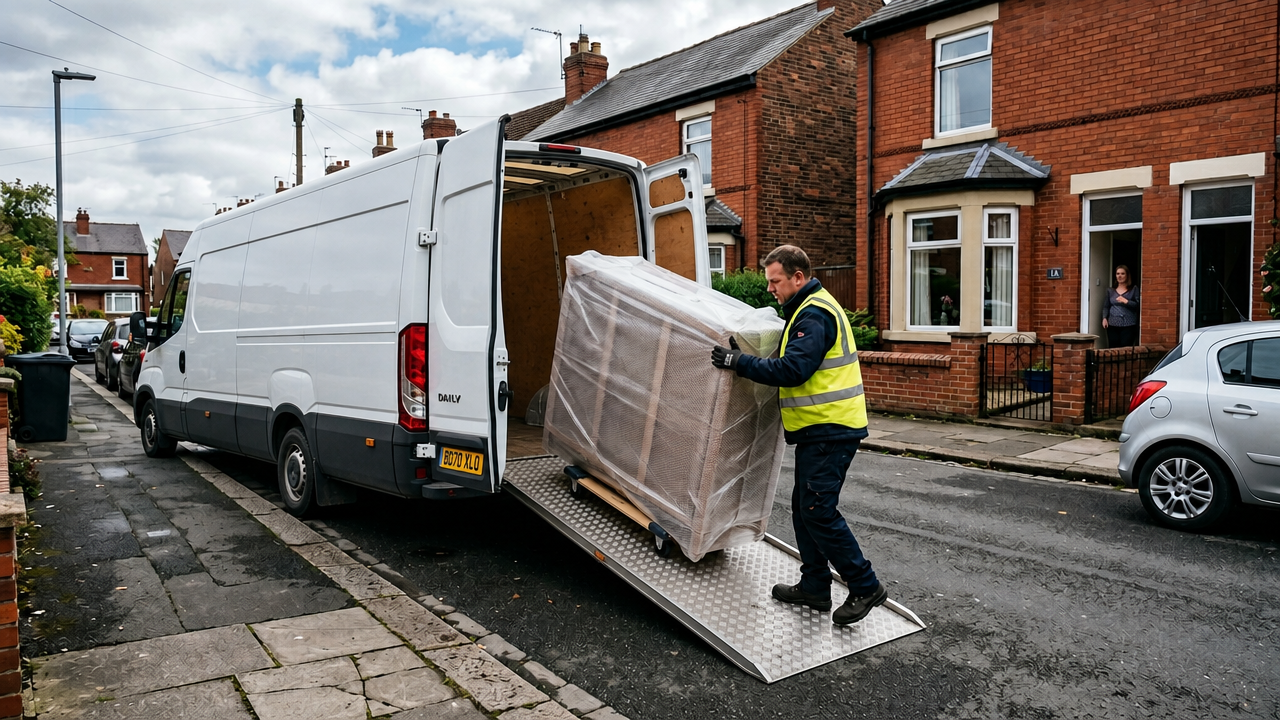
One of the better opportunities for independent drivers is large item delivery. Think furniture, appliances, antiques, marketplace purchases, auction items, or awkward goods that normal parcel networks will not touch.
Platforms like AnyVan and Shiply can generate work, although it takes a while to get your first job. I’ve written more about that in my Shiply courier review.
The better long-term strategy is building your own customer base. If you can become known for careful, reliable delivery of larger or more specialist items, you can charge sensible rates instead of racing other drivers to the bottom.
Same-day courier work
Same-day courier work is another route. This involves time-critical deliveries like machine parts, medical items, legal paperwork, or other business-to-business deliveries. But, be warned – It’s a highly competitive space, and nothing like it was twenty years ago.
You can find this type of work through direct customers, local businesses, courier firms, or networks like Sameday Courier Network and Courier Exchange. Another way to gain experience in this field is through companies like CitySprint, although never rely on them as a single income source.
Courier Exchange can be useful, but it is not a magic button. It costs money to join, competition can be high, and work is not guaranteed. If you’re serious about this route, it needs to be treated like one part of a bigger strategy, not the whole business.
If you want a realistic look at the numbers, read our guide on how much self-employed couriers really earn in the UK.
Specialist delivery can pay better
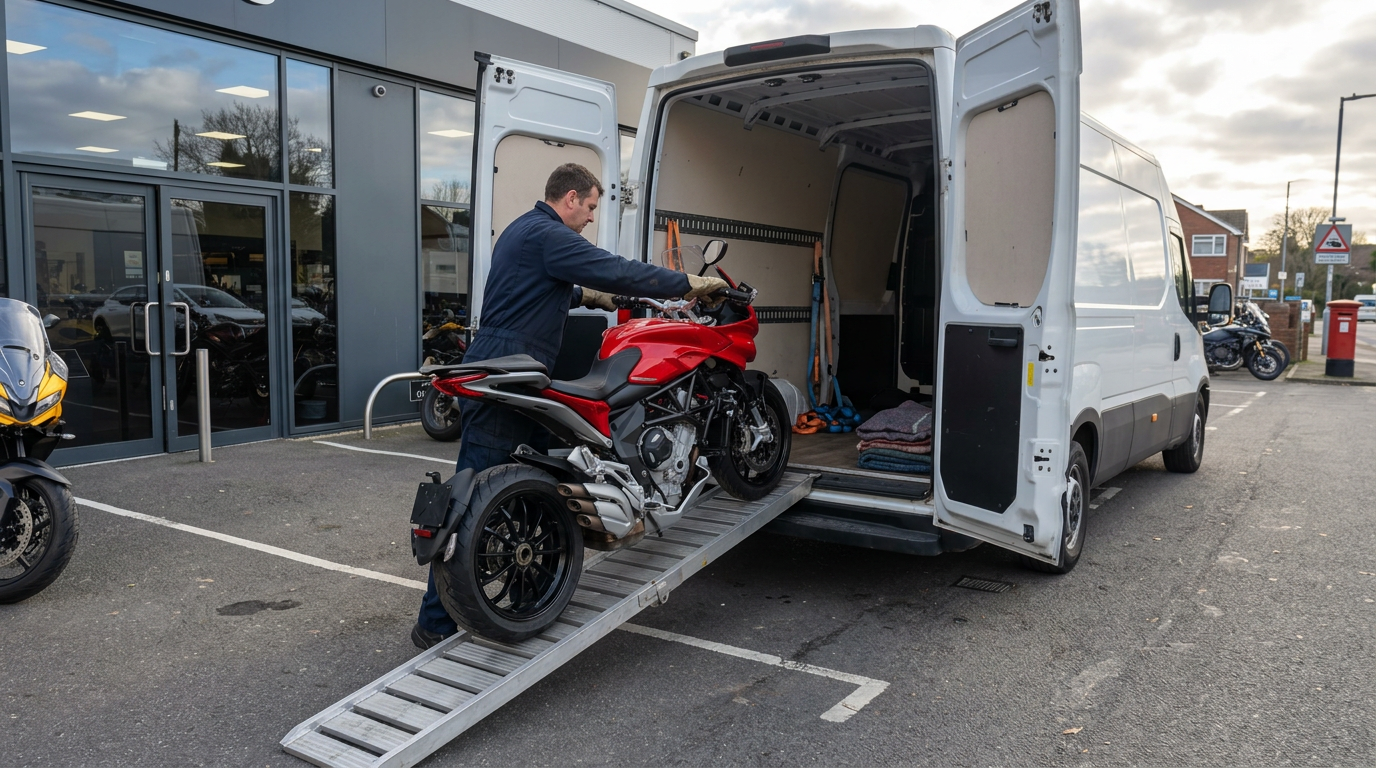
Specialist transport is where things can get more interesting. Motorcycles, antiques, fragile goods, and hazardous goods all need more care than basic parcel delivery.
These jobs often require better equipment, more experience, and proper insurance, but they can also command better rates because fewer drivers are willing or able to do them properly.
What if you do not have a van?
You can still make money in delivery without a van. A car will work for Amazon Flex, food delivery, small courier jobs, or local work if the platform allows it.
If you do not have a vehicle, an e-bike can still open the door to food delivery and some urban courier work. It will not suit every delivery job, but in busy city centres it can be surprisingly effective. Read our article on using an e-bike for parcel delivery.
The key is matching the vehicle to the work. A bike is great for dense urban routes. A car is fine for smaller parcels. A van is better for larger, higher-value work.
Build your own customers
This is where delivery work starts to become a real business rather than just another gig.
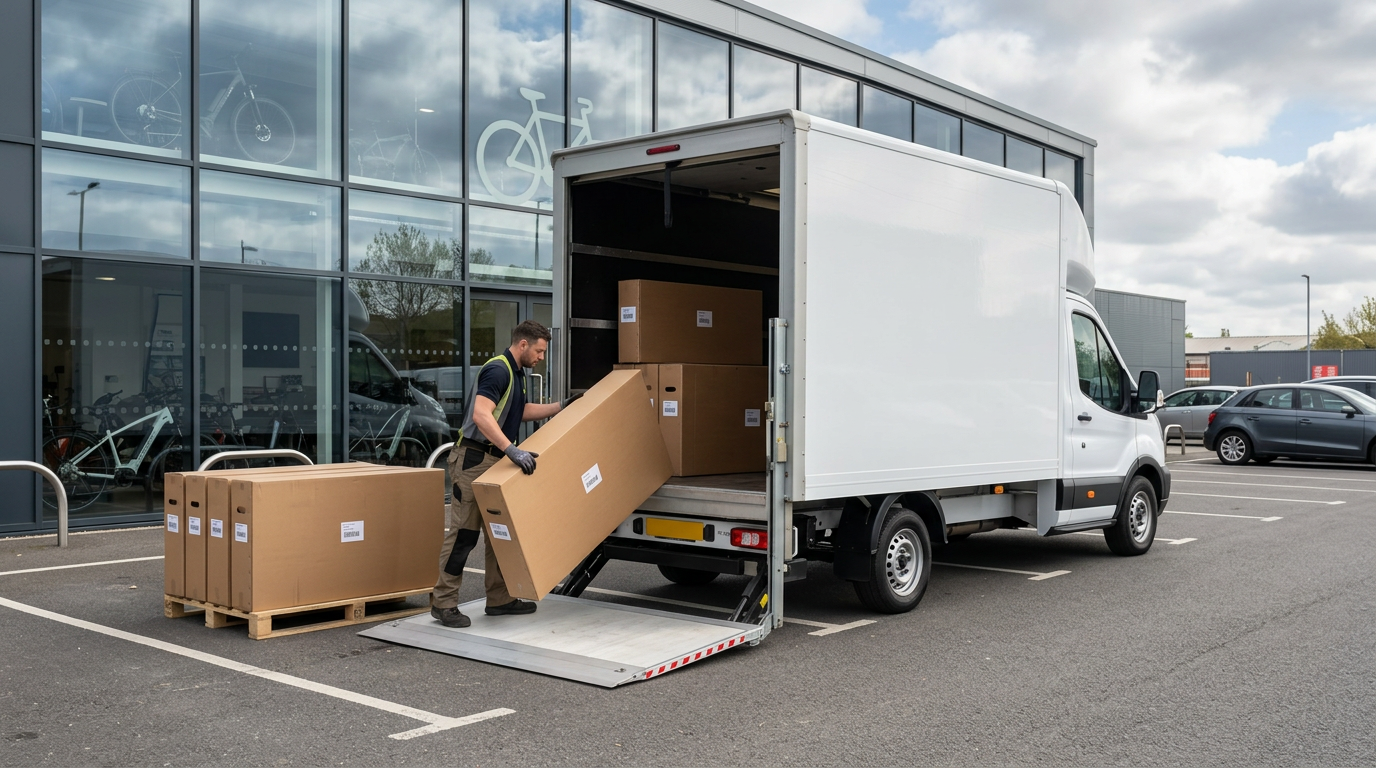
Getting your own customers means you are not totally reliant on apps, platforms, or subcontracted work. You can set your own prices, build repeat relationships, and choose the type of work you want to focus on.
That might mean targeting antique dealers, bike shops, local retailers, marketplace buyers, auction houses, repair shops, or small businesses that need reliable transport.
If you want to build properly, read our guide on how to start a courier business in the UK.
Get a website and Google Business Profile
If you want direct customers, you need to be visible. A basic website and Google Business Profile can make a big difference, especially for local courier work.
You do not need anything overly complicated to start. You need clear service pages, trust signals, contact details, a quote form, and location-focused content that helps people find you when they search.
This is especially important if you want to move away from low-margin platform work and win better direct jobs. If you need help with that side of things, see our website design for couriers service.
Do not ignore fatigue and running costs
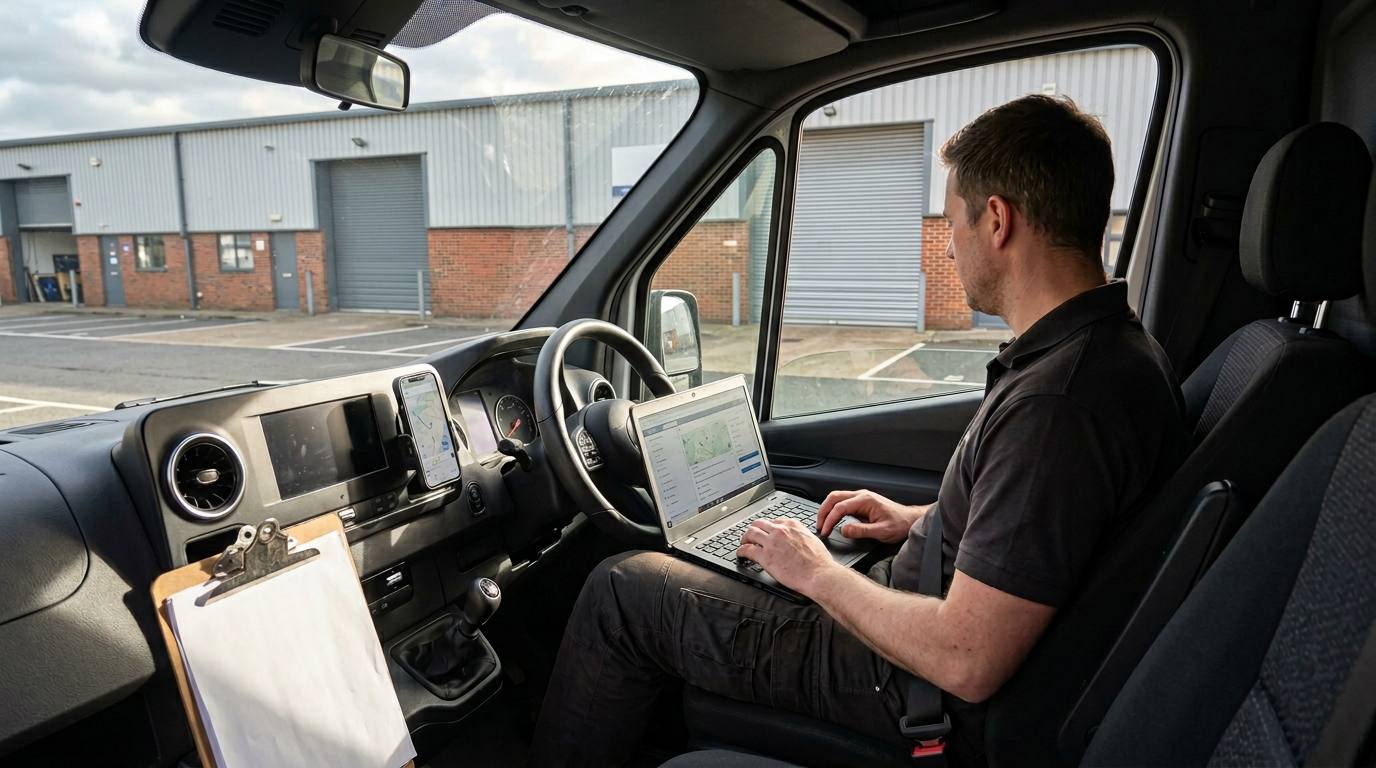
Delivery work can be tiring. Long days, early starts, traffic, deadlines, and awkward drops all add up. If you are planning to do this regularly, you need to manage your health and workload properly.
Our guide to courier driver fatigue covers this in more detail, but the short version is simple: no delivery is worth risking your safety.
You also need to understand your real costs. Fuel, tyres, servicing, insurance, breakdowns, parking, food, and vehicle wear all reduce your actual profit. A job that looks good at first glance may be much thinner once everything is counted.
Final thoughts
There are plenty of ways to make money as a delivery driver in the UK. You can start with side hustles, move into courier platforms, specialise in certain types of delivery, or build your own customer base.
The best route depends on your vehicle, location, experience, and appetite for risk. But if you want this to become more than occasional extra money, you need to treat it like a proper business.
Get the right insurance. Know your costs. Pick the right type of work. Build relationships. Get visible online. And most importantly, do not confuse being busy with actually making money.