

How Much Do Self-Employed Couriers Really Earn in the UK?

How Much Do Self-Employed Couriers Really Earn in the UK?
Courier earnings in the UK vary massively depending on how you work. There’s a big difference between gig work, working for courier firms, and running your own customer base.
This guide breaks it down properly, including real-world figures, actual costs, and what you can realistically take home as a self-employed courier.
When people talk about courier earnings, they often lump everything together: Amazon Flex, Evri, DPD, owner-drivers, and fully independent couriers. The reality is, these are completely different ways of working, with very different earning potential.
What do we actually mean by “courier earnings”?
At one end, you’ve got gig-style work like Amazon Flex or DPD Connect. At the other end, you’ve got fully self-employed couriers working directly with their own customers.
This article focuses on the latter, the drivers who are building their own work, setting their own prices, and taking on the full responsibility of running a delivery operation.
If you’re just getting started, it’s worth understanding how this fits into the bigger picture. You can read more in our guide on how to start a courier business in the UK.
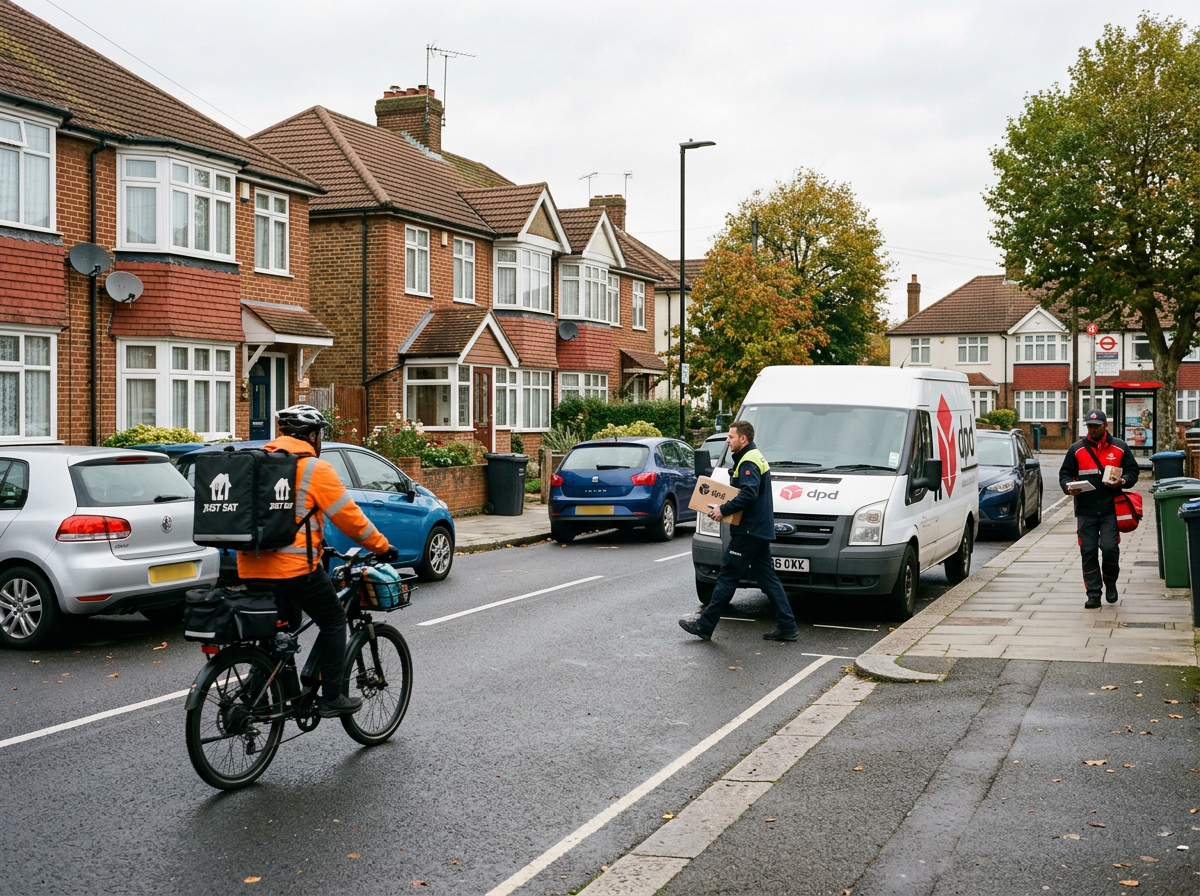
What courier companies typically pay
Many self-employed drivers start out working with courier firms. These companies provide a steady flow of jobs, but the rates are usually lower.
For example, a typical rate for a long wheelbase van might be around £0.75 per loaded mile with companies like CitySprint.
The problem is, you’re not always loaded. Dead miles, waiting time, and lack of control over routes can quickly eat into your earnings.

Platforms like CX (Courier Exchange)
Platforms like Courier Exchange can offer better-paying work, but they come with their own challenges.
- Membership can cost £1500+ per year
- Work is not guaranteed
- You’re competing with other drivers on price
There is money to be made, but it takes time to build relationships and secure consistent work.
Working for your own customers
This is where things start to change.
When you build your own customer base, you’re no longer tied to per-mile rates set by someone else. It’s not uncommon to charge £1.50 per mile or more, or work on fixed pricing per job.
You gain control, but you also take on more responsibility, marketing, customer service, planning, and everything in between.
What I actually earn as a self-employed courier
This is a real example from my own work delivering antique furniture.
A typical run might involve:
- 8 deliveries at an average of £95 each
- Total revenue: £760
- Total mileage: around 750 miles
Fuel calculation:
- Van MPG: 33 mpg
- Fuel used: around 22.7 gallons
- Diesel price: £1.99 per litre based on current fuel prices (roughly £9 per gallon)
- Total fuel cost: £205.26
Other costs:
- Food and sundries: £30
- Hotel the night before if needed: £39
Net profit for the run: about £485.74
This involves:
- Leaving Cornwall in the early hours, often around 3am, or going up the day before
- First drop around 8am
- Multiple heavy deliveries taking 20 to 30 minutes each
- Returning home around 10pm with short rest stops through the day
It’s a long, physical day, and definitely not easy money.
On runs like this, I often prefer to travel up the day before, park up, get a decent night’s sleep, and start properly in the morning. It costs a bit more, but it’s the safer and more sensible option. If you’re doing long-distance work, fatigue is something you need to take seriously, which I’ve covered in more detail here: courier driver fatigue and how to stay safe.

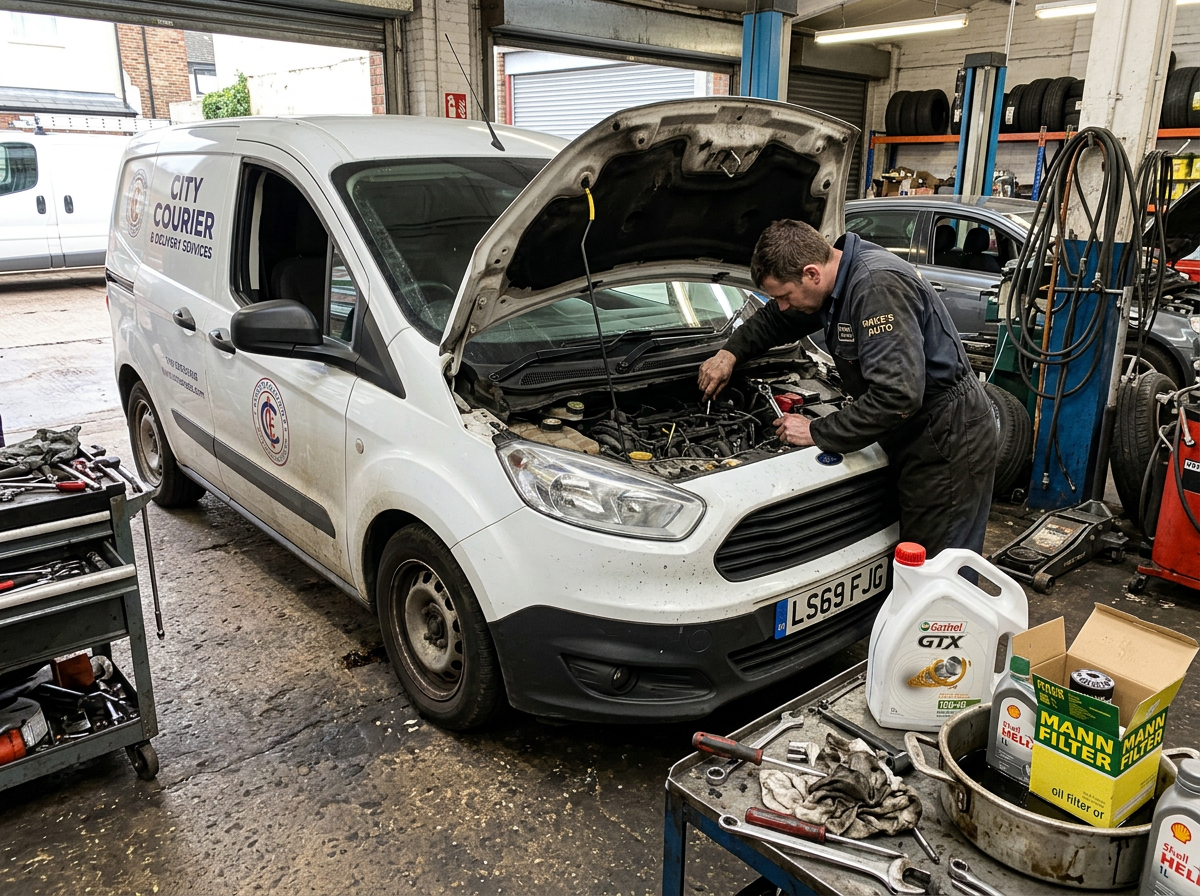
The costs people forget
Your actual earnings don’t stop at fuel.
- Cambelt replacement: £550-£1200
- Oil changes I do myself: around £90 including oil and filters
- Hire and Reward Insurance: £140-£300 per month
- Goods in transit and public liability: £20-£40 per month
- Tyres, maintenance, wear and tear, and all the other bits that creep up on you
- Remember, you also need to factor in vehicle tax every month
These costs add up quickly and need to be factored into your pricing. Fuel is the obvious one, especially when diesel prices are volatile, but it’s the maintenance and ongoing van costs that really catch newer drivers out.
Weekly earnings (realistic view)
Across all the work I’m doing at the moment, I average just over £885 per week after fuel, food, and basic expenses.
That still does not fully account for long-term wear and tear, so the true figure is a bit lower, but it gives a realistic picture of what can be achieved when you’ve got a few decent clients and are willing to graft.
I’m only around seven months in at this stage, so I’m very much still at the coal face. Sometimes I love being on the road. Other times it’s hard going. But I can see progress happening week on week, and that matters.
How I’m starting to earn without driving
This is where things start to get more interesting.
I’ve started subcontracting jobs out to other firms:
- Last month: £229
- This month: on target for around £600
- Total value of those jobs: around £2400
- My margin: 25%
These are jobs going to Scotland, Northern Ireland, the Republic of Ireland and Europe, work I’m not physically doing myself.
So all I’ve done for that money is pass the lead on to another company, organise it properly, and take my percentage. That’s real profit, and it’s increasing month on month.
Long-term, the goal is to get to a point where I do not need to drive at all, and instead focus on organising routes, placing work with trusted partners, passing leads on, and scaling that side of the business.
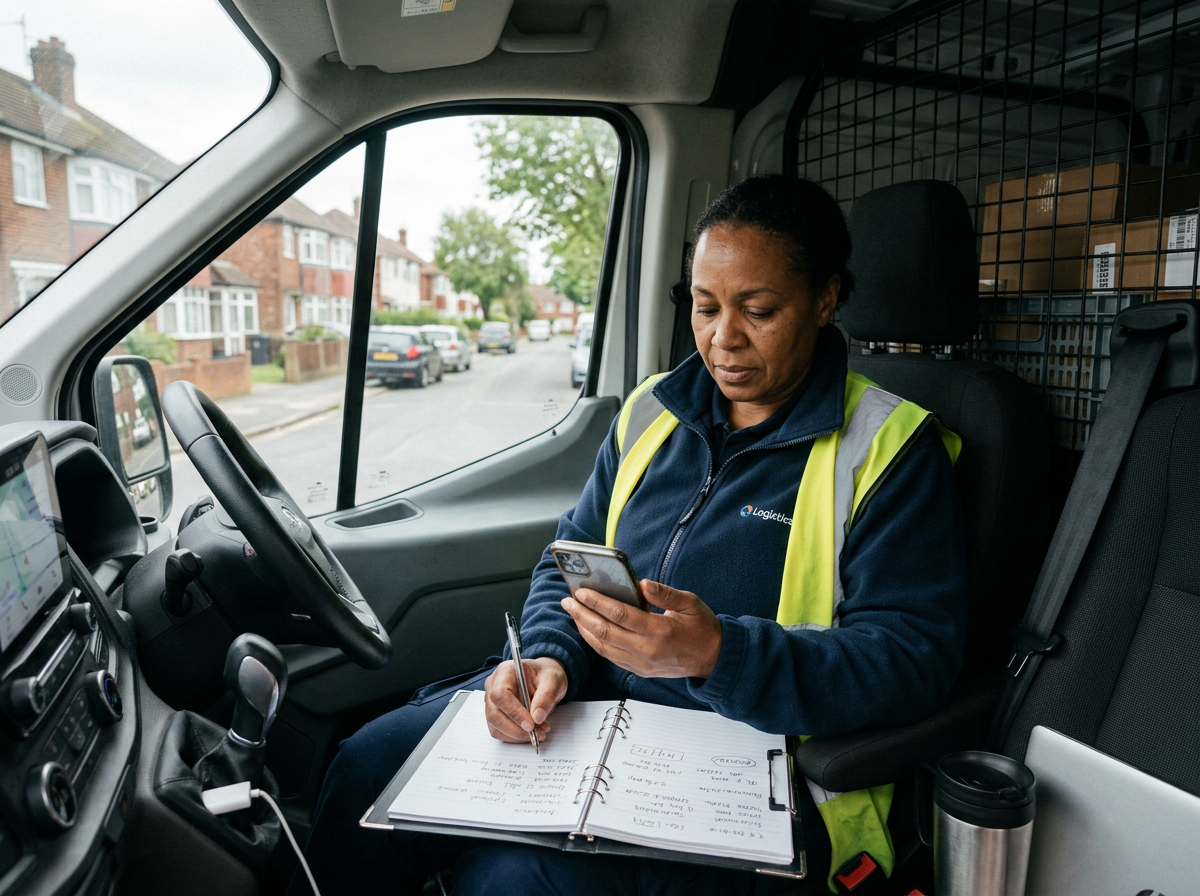
Courier Earnings Calculator
If you really want to know whether a courier job is worth doing, you need to break the numbers down properly. Fuel, mileage, time, and hidden costs all add up quickly.
Use the calculator below to get a realistic estimate of your profit. It’s based on real-world courier work, not theory, so it should give you a much clearer picture of what you’re actually earning.
Total Revenue: £0.00
Fuel Cost: £0.00
Total Costs: £0.00
Net Profit: £0.00
Profit per Mile: £0.00
Hourly Rate: £0.00
Final thoughts
Self-employed courier earnings in the UK can vary massively.
You might earn:
- £300 to £500 a week starting out
- £700 to £1000 a week once you’re established
- More if you build strong direct clients or start scaling through subcontracting
But it comes at a cost: long days, physical work, responsibility, and risk.
It’s not easy money. But if you stick with it, build relationships, price jobs properly, and run it like a business, it can become something solid and scalable.
If you’re exploring platforms to get started or fill gaps in your workload, this may also be worth a read: Shiply review and courier experience.