Engwe P275 SE Review – A Reliable Workhorse for Delivery Riders

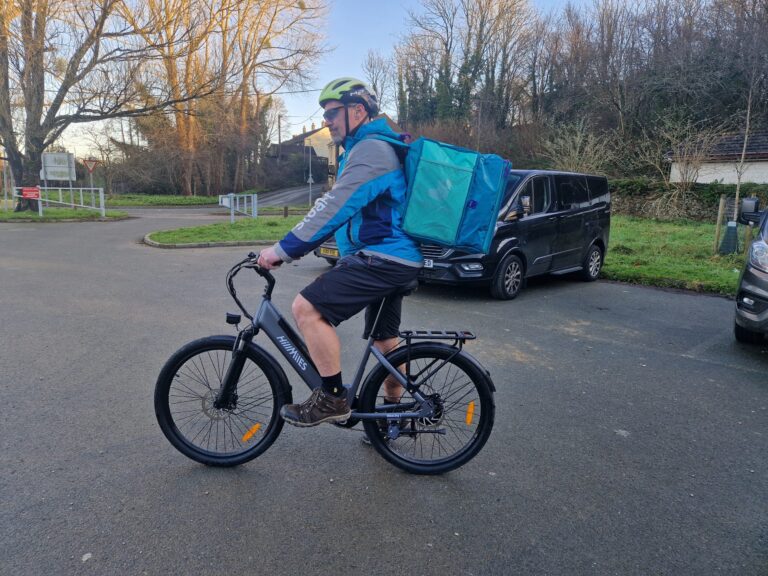
As part of my ongoing mission to test practical, affordable e-bikes for delivery riders, I’ve spent the past couple of months using the Engwe P275 SE on a mix of Stuart and Gophr shifts around Plymouth. It highlights Engwe’s continuing shift to the commuter and utility market – a clear departure from the heavy, fat-tyre machines the brand is best known for.
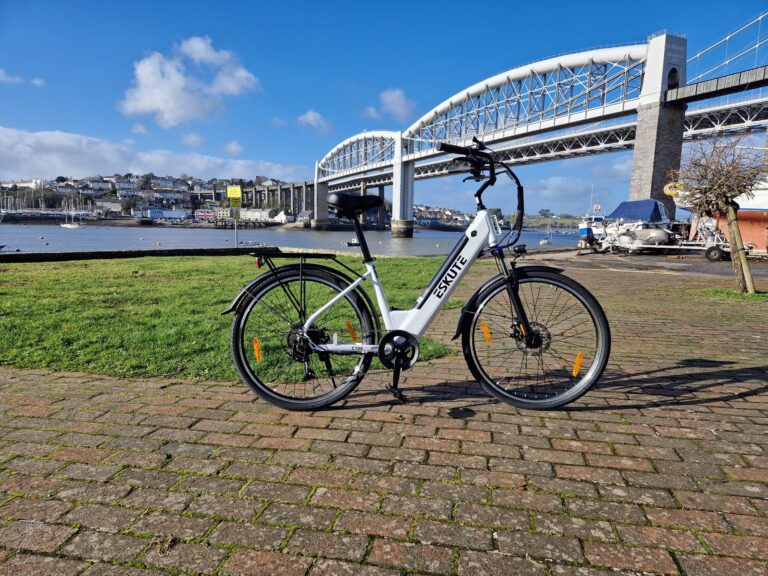
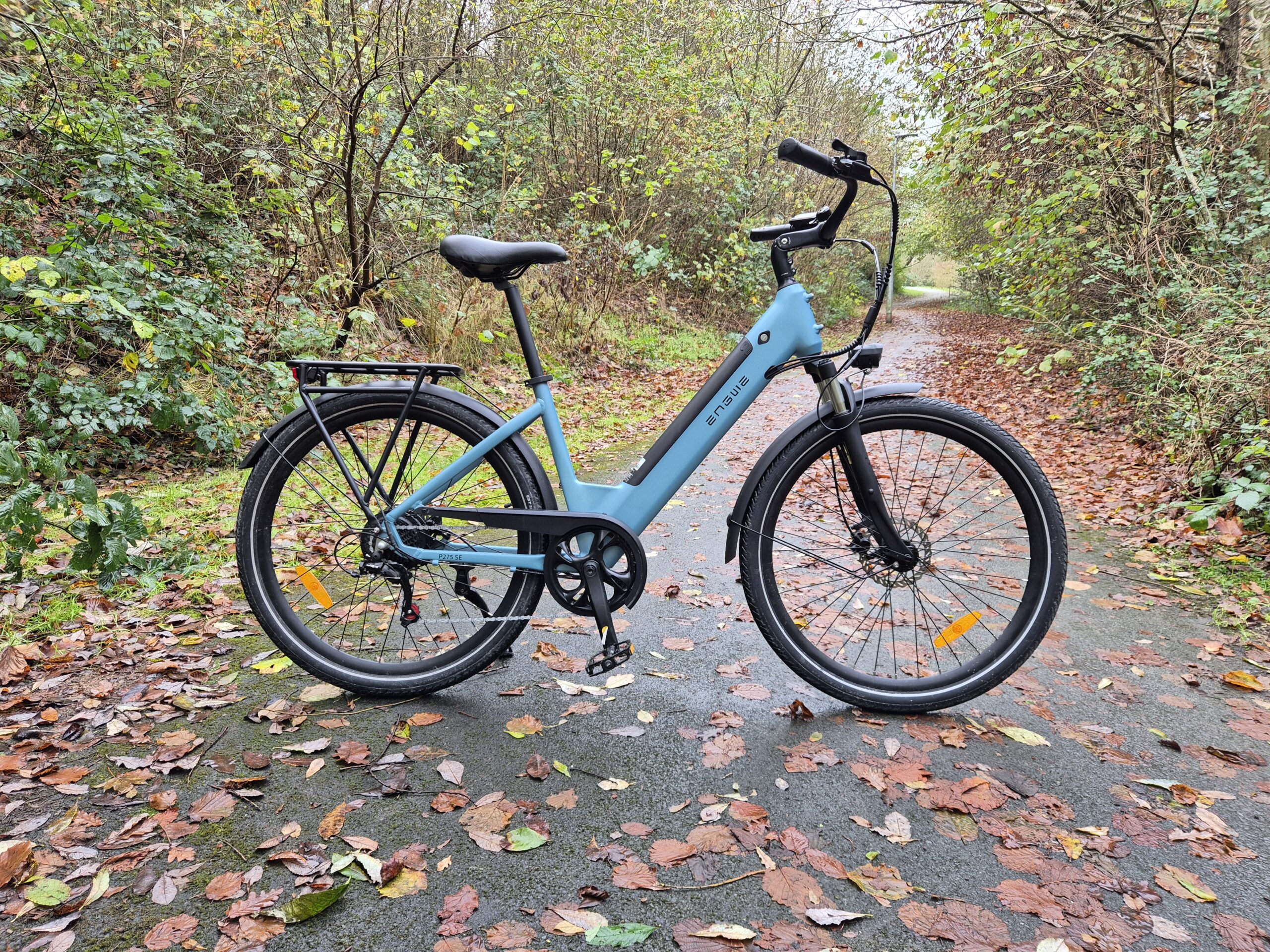
Spec-wise, it looks ideal for delivery use: a 250 W torque-sensing motor, hydraulic brakes, a 450 Wh removable battery, and a solid alloy step-through frame. It comes fully equipped with mudguards, a rear rack, and integrated lights – all powered off the main battery. At a glance, it looks like a practical all-rounder, and in many ways, that’s exactly what it is.
Engwe P275 SE
A quiet, refined and genuinely usable commuter e-bike that doubles as a capable short-shift delivery workhorse.
Pros
Smooth torque sensing assist
Comfortable for long delivery shifts
Good value for money
Cons
Motor struggles on steep hills
Brake fade on steep descents
The display is hard to read in direct sunlight
Unboxing and Setup
The bike arrived well-packed and undamaged, though there’s a fair bit of assembly involved. You’ll need to fit the front wheel, handlebars, mudguard, rack, and rear light. For someone like me, who’s built hundreds of e-bikes, it was a quick job – maybe 40 minutes – but if you’re new to bike assembly, it might be worth having a mate or local shop give it the once-over.
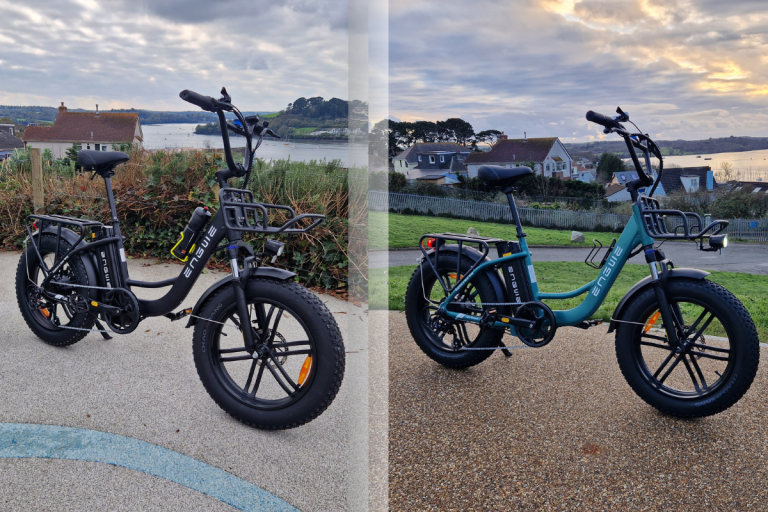
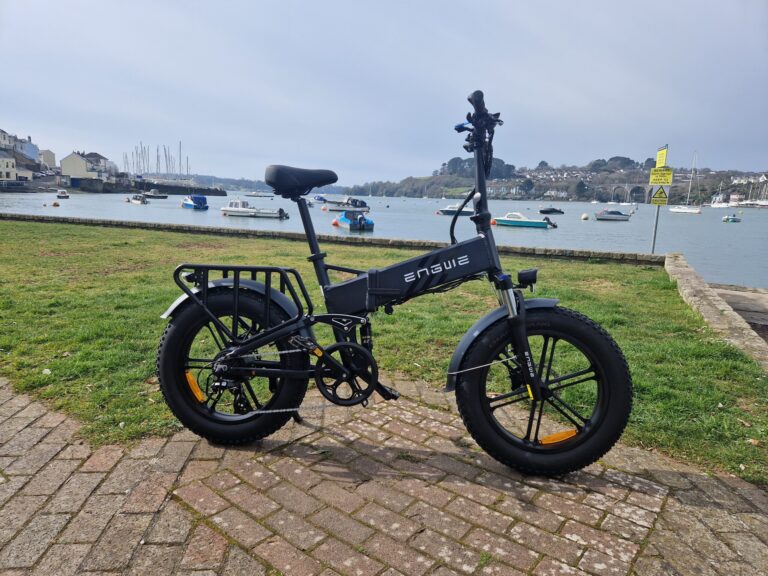
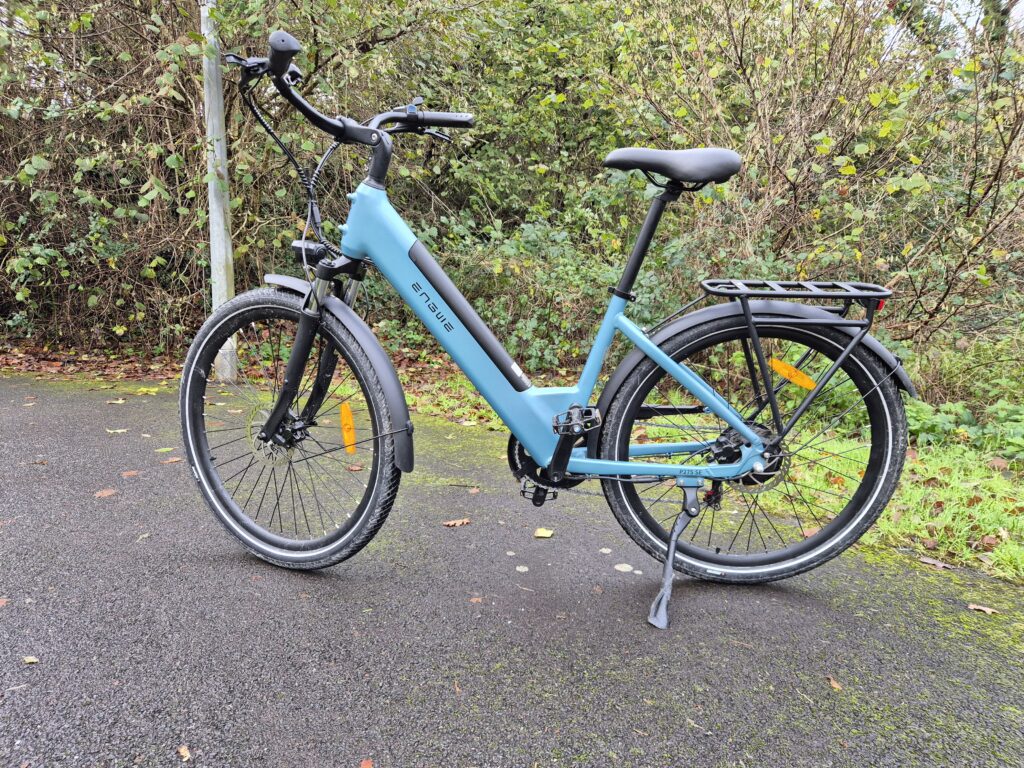
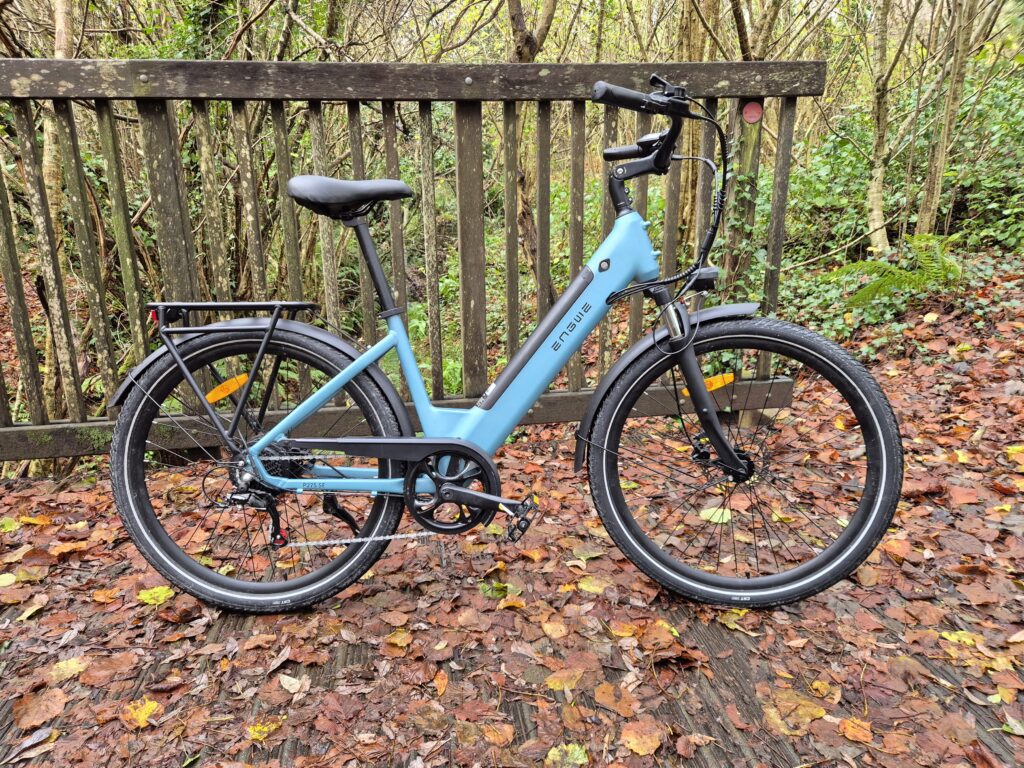
Once built, it’s a tidy-looking bike. The internal cabling, paintwork, and finish all look decent for the money. It’s a far cry from the “industrial” look of Engwe’s older models, like the EP2 or Engine X. This one looks smart and functional rather than overbuilt.
First Impressions on the Road
Straight away, the torque-sensor pedal assist stood out. Engwe’s older systems always felt more like glorified cadence sensors, but this one’s genuinely responsive. The motor kicks in the instant you start pedalling, and the power delivery feels smooth and progressive. It tapers off gently at around 16.5 mph, which makes it much easier to maintain a natural rhythm when riding in traffic.
The 250 W rear-hub motor is whisper-quiet – you can barely hear it, and it feels well-matched for city riding. On gentle to moderate gradients, it pulls nicely, but on steeper hills, you’ll find its limits. On one of my routes, there’s a nasty 25% climb, and the motor really struggled, leaving my poor old legs to do a lot of the work!
The suspension fork and 27.5″ × 1.95″ CST tyres do a decent job of soaking up potholes and rough tarmac. After weeks of mixed-weather riding, I haven’t had a single puncture. Grip is good even in the wet, and rolling resistance is low enough to keep things moving along nicely.
Handling is predictable, and the bike feels stable through bends and turns – even when carrying a heavy backpack. Comfort’s also good: the saddle is comfortable, and the upright riding position keeps weight off your wrists. With the adjustable stem and seatpost, I found it comfortable at 6 ft tall.
Delivery Riding and Real-World Range
I’ve been using the P275 SE for a combination of Stuart and Gophr jobs – mostly local runs across Plymouth. On a typical 2–3 hour delivery shift, covering around 25-30 miles with roughly 2’500 ft of climbing, the Engwe just about makes it through before the battery gives up. For shorter days or light runs, it’s perfectly fine; for longer or hillier shifts, you’ll need a fully charged spare to keep delivering.
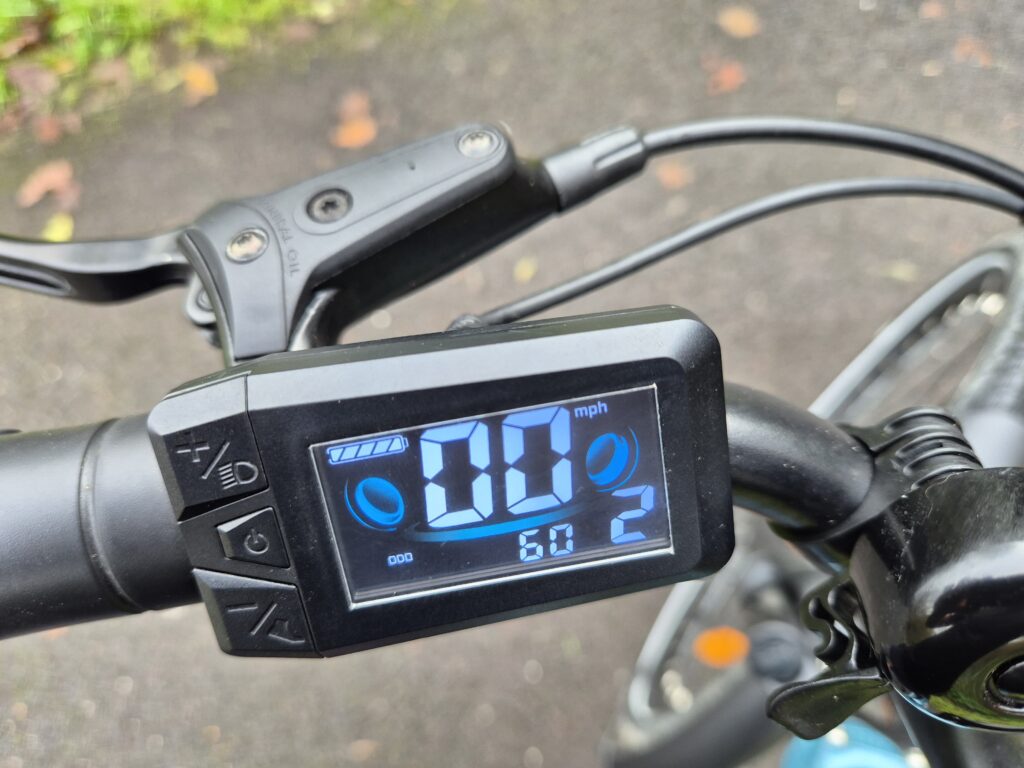
Battery capacity is officially 36V 12.5 Ah (≈ 450 Wh). In real use, I’ve been averaging 25–30 miles per charge, depending on load, route, and assist level. The assist does drop off toward the end of the battery, and once it’s down to two bars, you’ll find the motor cutting out in higher power modes with an Error 4 on the display. At first, I thought this was a fault, but it’s actually Engwe’s under-voltage protection kicking in – a safety feature to prevent over-discharge. Slightly odd that it happens with two bars still showing, but apparently, that’s how it’s designed.
When the power runs out completely, the P275 SE is still pedalable. It’s heavy and slower without assist, but I managed to ride the five miles home without much drama. You’d struggle to say the same for some of Engwe’s older, heavier fat-tyre bikes.
Braking, Gearing and Handling
The hydraulic disc brakes perform well for city use – predictable, progressive and quiet once bedded in. On a few steep descents with a full backpack of groceries, I did experience some fade, so it’s something to watch if you’re carrying weight down long hills. For day-to-day riding, though, they’re solid.
The Shimano 7-speed gearing works fine – nothing flashy, but smooth and reliable. The thumb shifter is old-fashioned, but you don’t get any nasty clunks when shifting under load. The drivetrain has held up well through wet, gritty autumn rides.
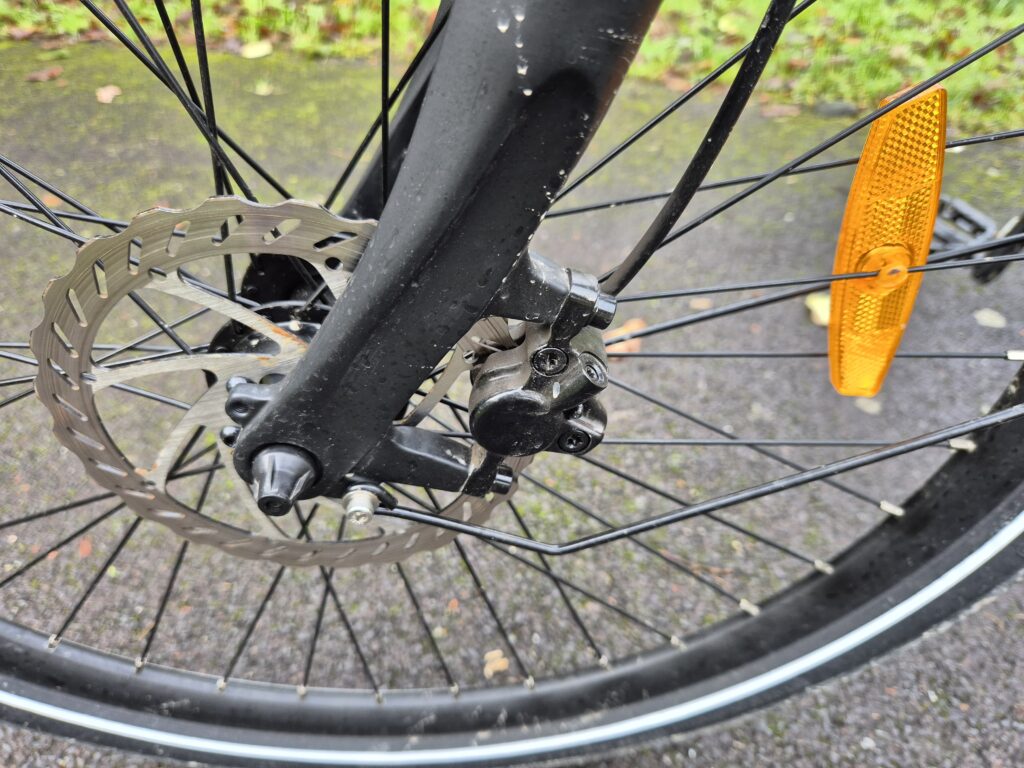
Fully loaded, the P275 SE feels stable and confidence-inspiring. Even when I had a fully loaded backpack, the handling stayed predictable. It’s not the fastest bike around, but it feels planted and safe.
Battery, Display and Accessories
The battery sits neatly in the down tube and can be removed for charging – handy if you don’t have power where you store the bike. It locks in place securely, and the charger brings it back to full in about five to six hours.
The colour display is basic but functional, showing speed, assist level and battery. It’s bright and clear in the evening or dull conditions, but can be difficult to read in direct sunlight. The Engwe does have an app, but it’s not essential – most riders won’t bother with it.
As for accessories, you get full mudguards, a rear rack, a kickstand, and integrated lights. The lights are fine for city use but too dim for unlit lanes – I’d recommend adding a rechargeable handlebar light if you ride at night. It’s a proper commuter setup out of the box, which saves money compared to bikes that make you buy extras. There’s also an optional front rack available.
Verdict
The Engwe P275 SE might not grab attention like the brand’s fat-tyre models, but it’s arguably the better bike for real-world riders. It’s quiet, comfortable, and dependable, with enough range for most short-to-medium delivery shifts. The improved torque sensor transforms the ride, making it feel far more refined than older Engwe setups.
It’s not perfect – the motor runs out of steam on very steep hills, and the brakes fade a bit under heavy loads – but as a budget-friendly workhorse for urban couriers or commuters, it ticks most of the right boxes.
If you’re looking for something for a delivery side hustle, it’s a great entry-level e-bike that won’t break the bank and can handle a solid evening’s graft without complaint.